3 Steps to Realism
 Kerri Dixon
Learn the 3 essential steps to realism in art—proportion, value, and edges—and how to use them to create more lifelike drawings.
The 3 Steps to Realism in Art (Beginner-Friendly Guide to Drawing More Realistically)
Struggling to make your drawings look realistic?
You’re not alone—and it’s probably not because you “lack talent.”
Most artists think realism is all about detail…
but the truth is, you can spend hours on fur, feathers, or wrinkles and your artwork can still look off.
That’s because realism doesn’t come down to detail.
👉 It comes down to just three essential steps:
- Proportion
- Value
- Edges
Once you understand these, everything starts to click.
Why Your Art Doesn’t Look Realistic (Yet)
If your drawings feel flat or “not quite right,” it’s usually because one (or more) of these three elements is missing.
Not detail.
Not expensive materials.
Not talent.
👉 Just fundamentals.
Let’s break them down.
1. Proportion – The Foundation of Realism
Keyword focus: proportion in drawing, how to draw accurately
Proportion is all about:
- Size
- Placement
- Structure
It’s making sure everything sits where it should.
Because here’s the reality:
👉 Even the best shading won’t fix bad proportions.
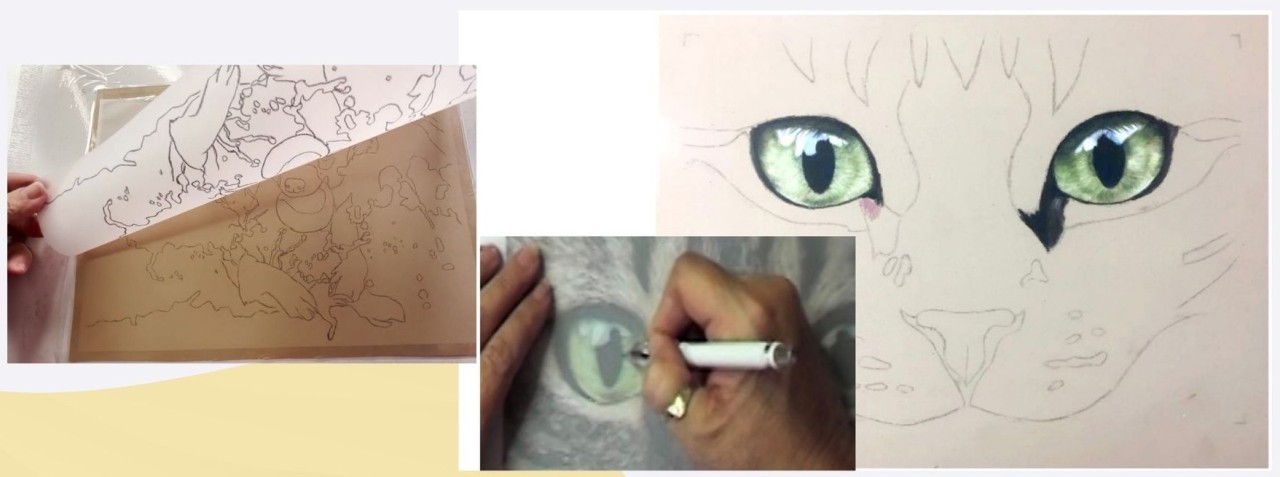
How to Improve Proportion in Your Drawings
You don’t have to freehand everything (despite what some people say).
Try:
- Tracing or line art (great for beginners)
- Using a grid method
- Drawing a line of symmetry
- Using a scale divider tool
- Projecting your reference image
There is no “cheating” here—just smarter ways to learn.
Quick Tip
Start with simple shapes like circles and ovals to block in your subject before adding detail.
👉 Get the structure right first. Always.
2. Value – How to Create Depth and Form
Keyword focus: value in art, shading techniques for realism
Value is what makes your artwork look 3D instead of flat.
It’s the difference between:
- Light
- Mid tones
- Darks
If everything in your drawing is the same tone…
👉 It will look flat. Every time.
69e6cbf711600_lg.jpg)
How to Use Value for Realistic Drawings
To create depth:
- Use a full range of light to dark tones
- Increase contrast in focal areas
- Avoid keeping everything the same value
Simple Trick (That Works Every Time)
Squint at your reference photo.
This helps you:
- See big value shapes
- Ignore unnecessary detail
- Understand where your darkest and lightest areas are
Advanced Tip: Posterise Your Reference
Turn your image into 4–5 value blocks.
This simplifies everything and makes it easier to:
- Map out shadows
- Place highlights
- Build realistic depth
Check Your Values
Take a photo of your artwork and turn it black and white.
If everything looks like mid-grey…
👉 You need more contrast.
3. Edges – The Secret to Professional-Looking Art
Keyword focus: edges in drawing, soft vs hard edges art
Edges are where shapes meet.
And this is where a lot of artists go wrong.
69e6cc04df12f_lg.jpg)
The Most Common Mistake
Outlining everything.
This creates:
- A flat look
- A stiff feel
- That “cartoony” effect
How Edges Work in Real Life
We don’t see everything in sharp focus.
Our eyes naturally:
- Lock onto one area
- Let everything else soften
👉 And your artwork should do the same.
How to Use Edges in Your Art
- Sharp edges → focal point (eyes, nose, key details)
- Soft edges → background and less important areas
This is called lost and found edges—and it’s a game changer.
Pro Tip
Step back from your artwork and ask:
👉 Where does my eye go first?
If it’s not where you want it… adjust your edges.
How to Draw More Realistically (Bringing It All Together)
To create realistic artwork, you need all three:
- Proportion → Structure
- Value → Depth
- Edges → Focus
Miss one… and your drawing won’t feel quite right.
Master them… and your work will come to life.
Final Thoughts: Keep It Simple
If you’re feeling overwhelmed, don’t jump straight into detail.
Instead, focus on:
- Getting your proportions right
- Building strong values
- Using edges intentionally
That’s it.
👉 Realism doesn’t have to be complicated.
Kerri xx
Want Step-by-Step Help?
Inside The Creative Barn, I teach this exact process in a simple, structured way—so you’re not guessing what to do next.
You can check it out here:
👉 https://www.thecreativebarnmembership.com/courses/membership